
Many people enjoy using feng shui and meditation to reflect on prosperity and create a…
2026 Second-Half Wealth Guide: Five Feng Shui Spaces and Money Meditation
The second half of 2026 offers a chance to review your financial habits and refresh your space. Inspired by Period 9 feng shui traditions, this guide explores five areas of the home, a money-focused meditation and everyday habits. These practices can be meaningful reminders, but they do not guarantee financial results.
Period 9 and wealth symbolism
In traditional feng shui, Period 9 (2024–2043) is associated with fire, visibility and growth. The Fire Horse year is interpreted as a reminder to balance enthusiasm with steadiness. Consider reviewing your environment, noticing money worries and making practical plans at your own pace.
Five home feng shui arrangements
1. Entrance: welcoming new possibilities
Keep the entrance bright and clear, put shoes away and consider a round-leaf plant or warm lamp as a symbol of welcome.
2. Living-room wealth corner
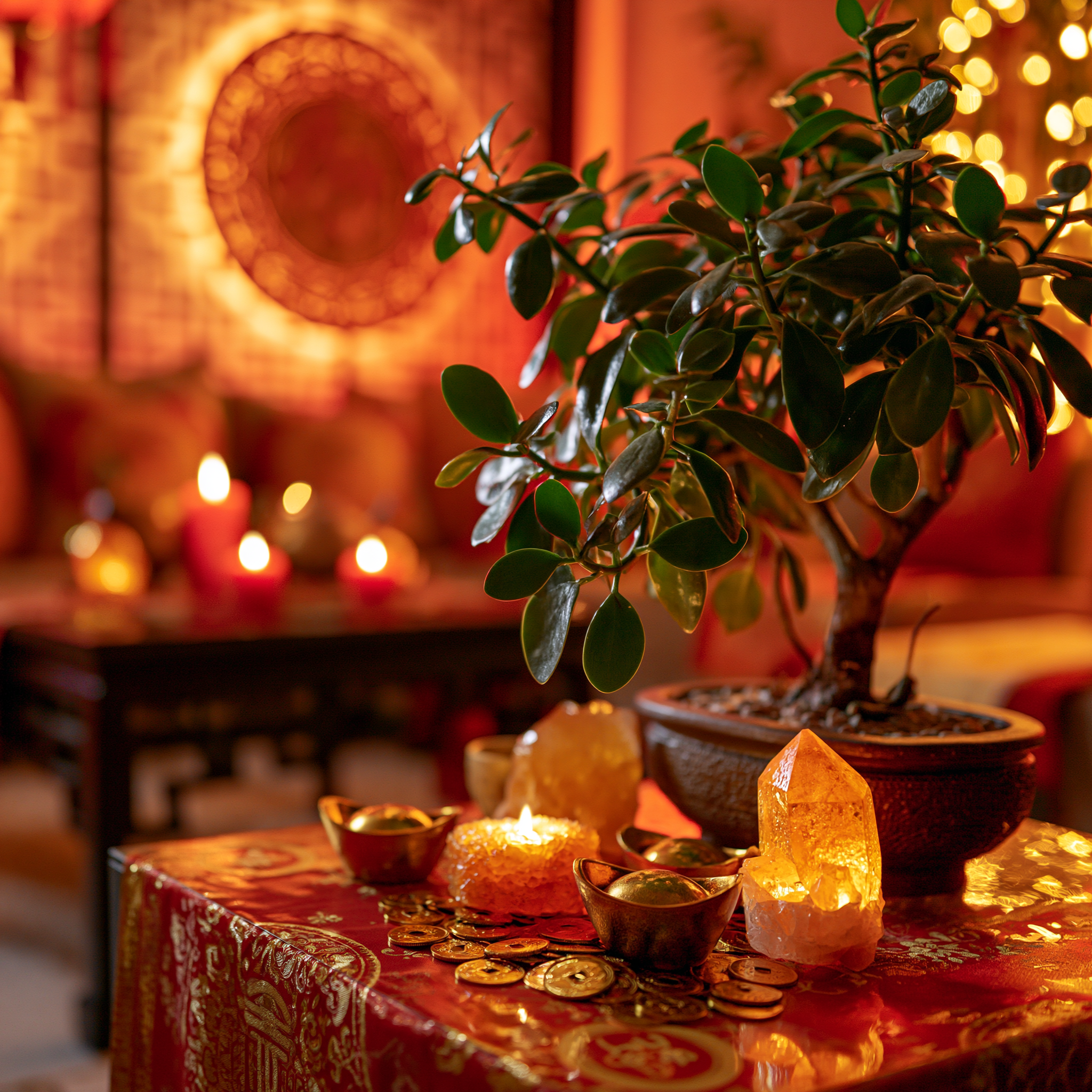
Some traditions identify the area diagonally opposite the entrance as a visible wealth corner. Keep it clean and supported by a wall; a crystal, treasure bowl or healthy plant can serve as a personal reminder. Avoid accumulating rubbish or clutter there.
3. Kitchen: care and nourishment
Feng shui associates the kitchen with nourishment and resources. Keep the stove clean, the sink clear and the area around a gas stove free from clutter. Some traditions also prefer not to position the stove directly opposite the sink.
4. Bedroom: a place to recharge
Choose soft lighting and a supported headboard; some feng shui practices suggest avoiding a mirror facing the bed. A small lavender plant or gentle colors can make the space feel inviting if suitable for your household.
5. Study or desk: space to focus
Keep the desk tidy, with a clear view and a supportive position behind you where practical. One traditional arrangement places taller objects on the left and keeps the right side lower and orderly.
A five-step money meditation
Try this reflection for five to ten minutes before bed, perhaps for 21 days if you find it useful. Meditation is a personal practice, not a substitute for financial planning.
- Relax: Sit or lie comfortably and take three slow breaths, releasing tension as you exhale.
- Imagine stability: Picture a calmer relationship with money and a life in which your needs are supported.
- Notice difficult thoughts: If worries such as “I don’t deserve it” arise, acknowledge them gently and try a kinder statement.
- Practice gratitude: Recall a meal, income or opportunity that supported you today.
- Close with encouragement: Choose words such as “I am worthy of care and can take steps toward financial stability.”
Everyday habits for the second half of 2026
- Organize your wallet and accounts: Sort receipts and records; check lottery receipts before discarding them and keep documents you need.
- Pause before impulse purchases: Ask yourself whether an item is a need or a want.
- Spend intentionally: Consider learning, health and meaningful relationships within your means.
- Record income and gratitude: Note income, however small, and reflect on what helped you.
- Keep your surroundings manageable: Tidy regularly and release items you no longer need.
Build steadiness one step at a time
A welcoming home and a quiet moment can help you reflect on your priorities. Pair the rituals that resonate with practical budgeting, considered decisions and a pace that works for you.
☕ Support Zen Resonance
If this article brought you a little calm, a little luck, or a new way to invite good fortune, you are welcome to buy me a coffee 🍵
Every bit of support turns into energy for new creations, so more people can receive this blessing. May abundance and good luck flow back to you ✨
Follow Zen Resonance and receive a little good energy every day



Related Posts