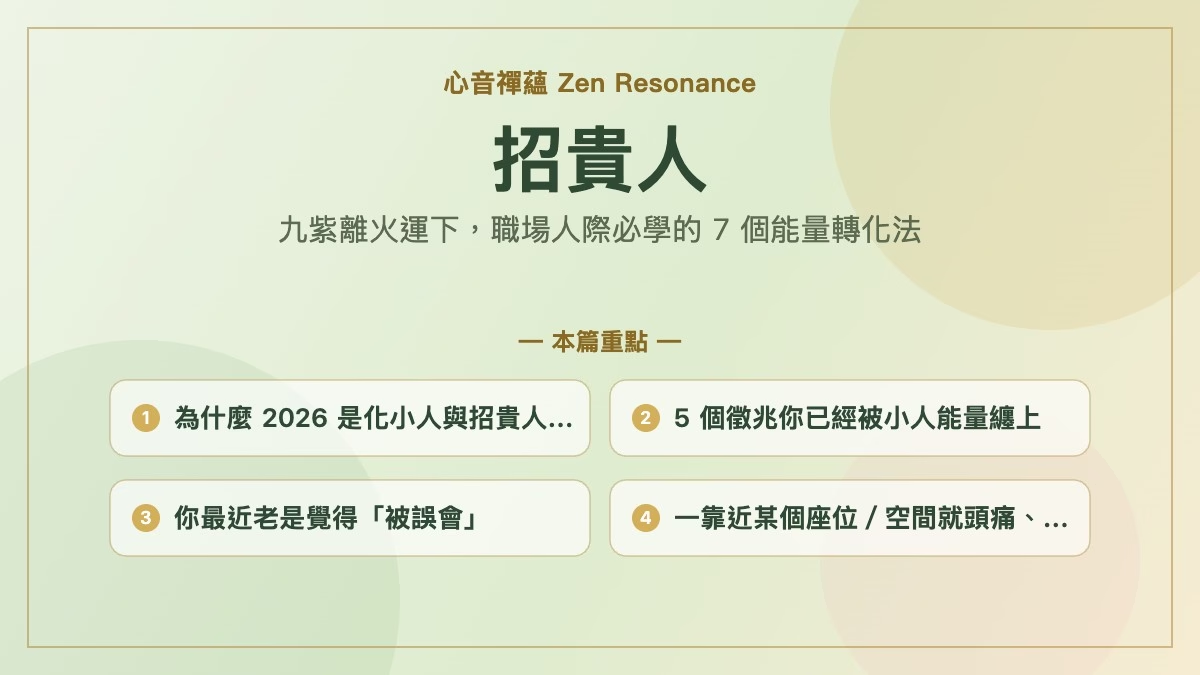
Misunderstandings, unanswered messages or feeling overlooked can make work relationships tiring. This guide uses the…

Feeling Drained by Relationships: Six Patterns and Gentle Boundaries
Some interactions leave you exhausted or worried even when little physical effort is involved. “Energy vampire” is an informal metaphor for a draining dynamic, not a diagnosis or a judgment that someone is a bad person. Anyone can need extra support at times; focus on recurring behavior and your boundaries.

Six patterns that may feel draining
- Repeated distress without room for your needs: A person may need listening rather than advice; consider what support you can offer.
- Guilt-based pressure: “If you cared, you would help” can make refusal difficult.
- Persistent criticism: Repeated put-downs framed as helpfulness can undermine confidence.
- Being drawn into conflicts: Gossip or pressure to take sides can be exhausting.
- One-sided conversations: Frequent interruptions leave little room for your perspective.
- Contact only for favors: A pattern of requests without reciprocal care may need discussion.
Five signs to notice
You may feel unusually tired after interactions, anxious when messages arrive, guilty after saying no, increasingly doubtful of your judgment, or too depleted for activities you enjoy. These experiences can have many causes; there is no numerical threshold that diagnoses a relationship.
Five ways to care for yourself
- Set a time limit: “I can talk for 15 minutes” makes your availability clear.
- Say no kindly: “I cannot help this time, but thank you for asking” is enough.
- Separate listening from fixing: You can care without taking responsibility for solving another person’s feelings.
- Transition afterward: Take a walk, shower or a few comfortable breaths.
- Choose a reminder: A calming image can prompt you to check in with your needs.
When the person is family or a partner
Where safe, begin with one specific boundary and notice how it is received. If interactions seriously affect your life, consider support from a trusted person or qualified counselor. If there is controlling behavior or harm, prioritize safety; setting a boundary alone may not change another person’s behavior.
Reflect on one recent interaction and one small boundary you would like to try. Explore family-of-origin patterns and healthy relationship boundaries.
☕ Support Zen Resonance
If this article brought you a little calm, a little luck, or a new way to invite good fortune, you are welcome to buy me a coffee 🍵
Every bit of support turns into energy for new creations, so more people can receive this blessing. May abundance and good luck flow back to you ✨
Follow Zen Resonance and receive a little good energy every day



Related Posts