The second half of the year can be a useful time to pause, reflect on…
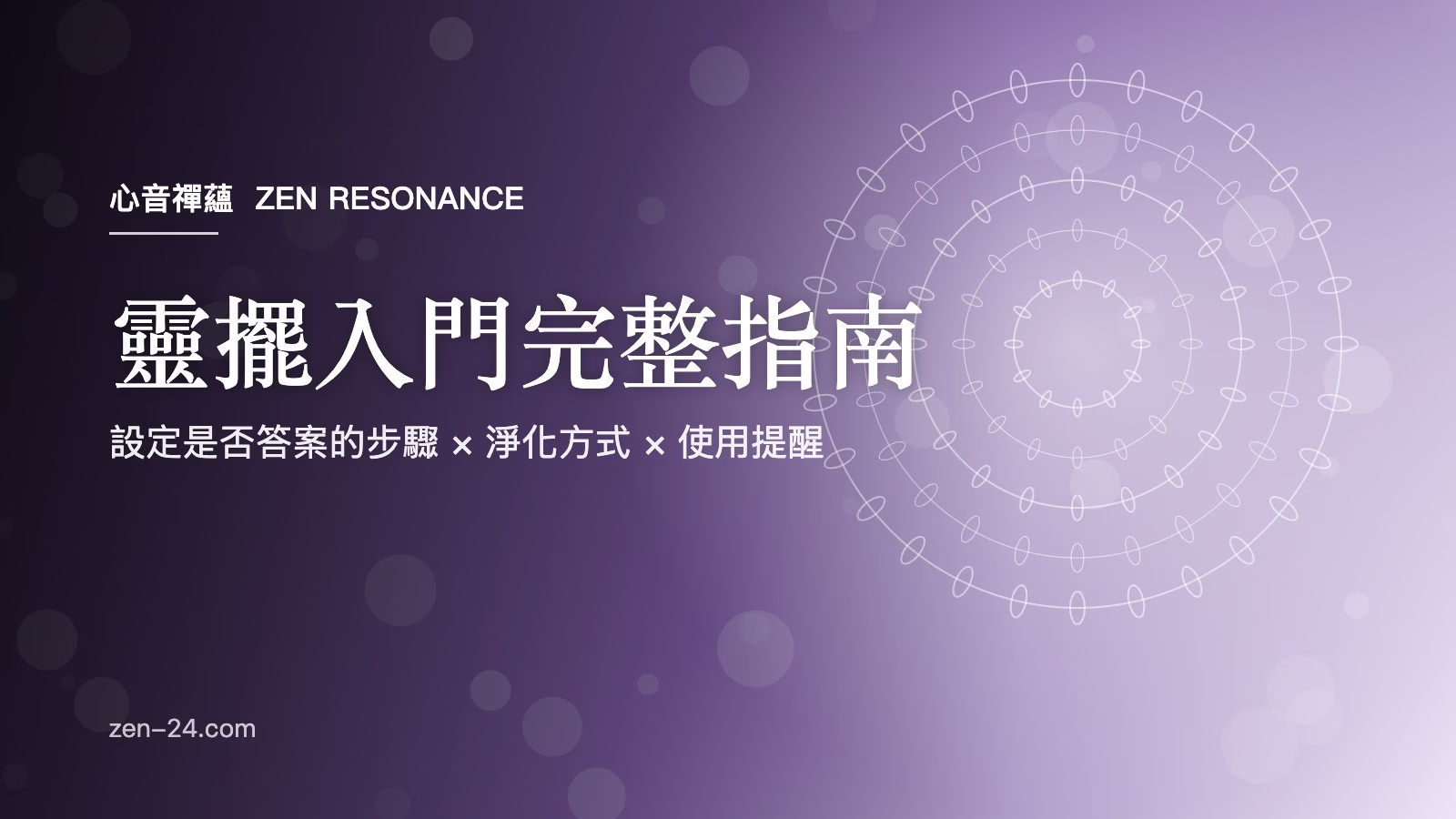
How to Use a Pendulum: A Complete Guide | Pendulum Basics × Steps to Set Your Yes and No × Cleansing Methods and Usage Reminders
A fine chain and a hanging crystal, swinging quietly beneath your fingertips. Why do some people say a pendulum can help us hear our inner voice? This pendulum guide takes you from zero to understanding this mysterious and fun tool.
The pendulum is an ancient dowsing tool, and in energy healing it is often used to talk with your own intuition. Here is everything in one place.
1. What Is a Pendulum?
A pendulum is a weight hanging from a chain or string. You hold the end of the chain and watch which way it swings. Historically, similar methods were used to look for water, known as dowsing. To learn more, see this introduction to dowsing.
From a scientific point of view, the pendulum’s swing is often explained by the ideomotor effect: the body makes tiny unconscious movements that reflect our subconscious thoughts. This is exactly why it can serve as a self-awareness tool.
2. Common Pendulum Materials
- Clear quartz: the most common, good for beginners.
- Amethyst: symbolizes intuition and spirituality.
- Brass or metal: swings steadily and lasts.
- Wood: warm and natural.
The best one is whichever feels comfortable in your hand.
3. Beginner Steps
1. Prepare a Quiet Space
Turn off your phone and let yourself calm down. Related reading: Meditation for Beginners Guide (Chinese).
2. Hold It the Right Way
Pinch the end of the chain between your thumb and index finger, rest your elbow steadily on the table, and let the pendulum hang naturally and come to rest.
3. Set Your “Yes” and “No”
- Say to the pendulum: “Please show me the direction for ‘yes.’” and watch the swing (for example, back and forth).
- Then say: “Please show me the direction for ‘no.’” and watch the swing (for example, side to side).
- You can also set a direction for “unsure” (for example, circling).
4. Practice with Known Answers First
For example, “Is my name ___?” to confirm that the swing matches your settings.
5. Start Asking
- Make questions specific and clear.
- Ask only one thing at a time.
- Good questions are self-exploration ones, like “What do I truly want deep down?”
4. Cleansing and Storing Your Pendulum
- Cleanse before and after use: with moonlight, a clear quartz cluster, sound or smoke. Related reading: Incense Cleansing Guide (Chinese).
- A dedicated pouch: prevents tangled chains and crystals knocking together.
- Don’t lend it to others: keeps it personal to you.
5. Usage Reminders
- A pendulum is an aid to self-awareness, not a prophecy.
- Don’t use it to decide major matters such as health, medical, investment or legal issues; consult professionals for those.
- Pause when your emotions run high: feelings affect the result.
- When the answer isn’t what you hoped: ask yourself why you care so much; that is often the real message.
To explore other intuition tools, see the Tarot Reversed Cards Guide (Chinese).
You can also switch your phone wallpaper to an intuition energy wallpaper in violet, moonlight white and silver gray. Glance at it when you need quiet to let your mind settle.
Conclusion: The Answer Has Always Been Within You
A pendulum won’t make decisions for you, but it can help you pause, quiet down and hear the truest voice in your own heart.
Today, start with one small thing: if you have a pendulum, spend five minutes setting your “yes” and “no” and practice with a simple question.
Focus keywords: pendulum, how to use a pendulum, pendulum basics, pendulum yes or no, pendulum cleansing, crystal pendulum, intuition tool, ideomotor effect, energy ritual, spiritual tools
☕ Support Zen Resonance
If this article brought you a little calm, a little luck, or a new way to invite good fortune, you are welcome to buy me a coffee 🍵
Every bit of support turns into energy for new creations, so more people can receive this blessing. May abundance and good luck flow back to you ✨
Follow Zen Resonance and receive a little good energy every day


Related Posts